Bird-Friendly Glass
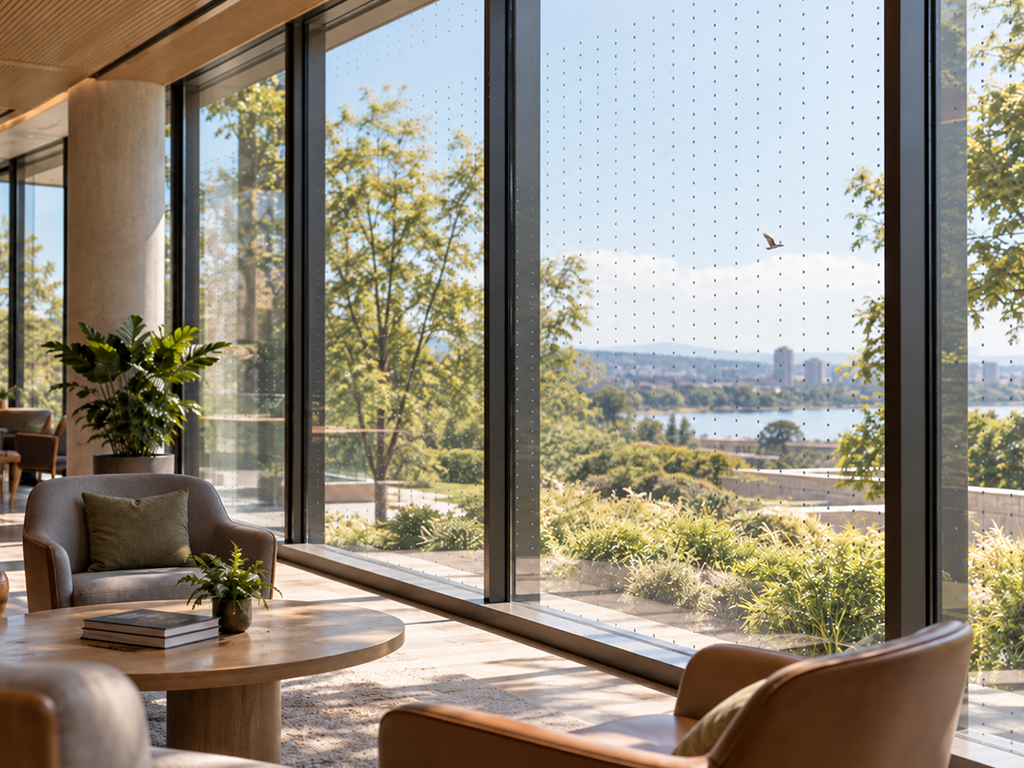
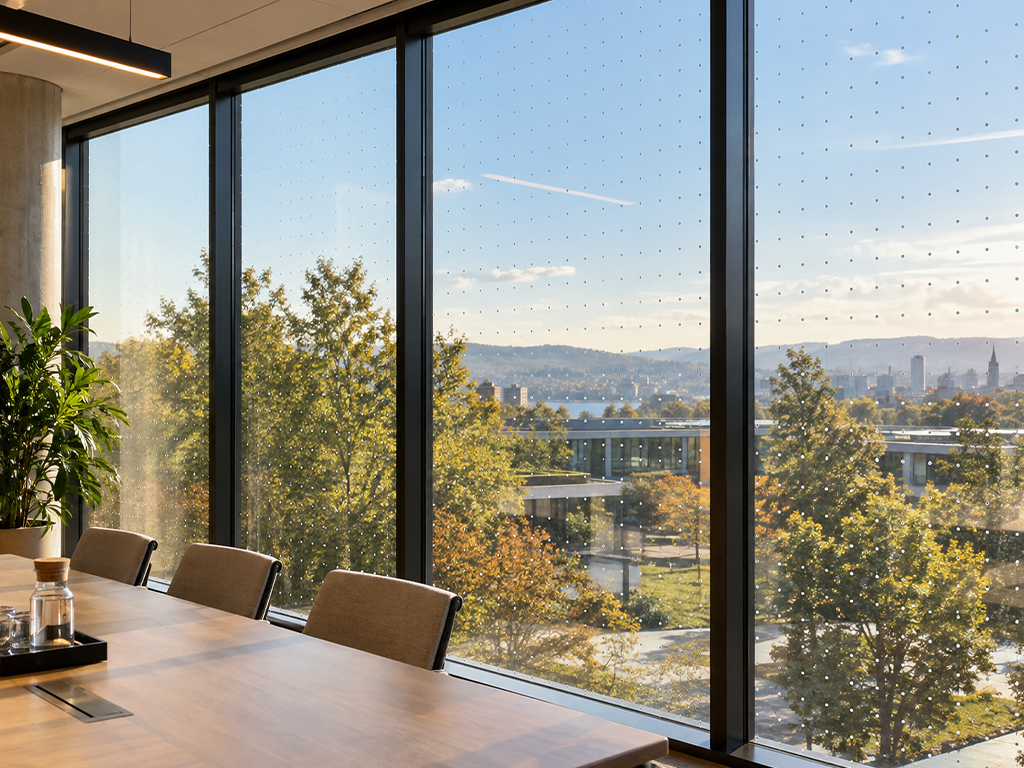
At Camglass, we produce bird-friendly glass that brings architectural aesthetics together with an approach that respects wildlife. With our solutions for facades, large glazed surfaces and transparent passageways, we help create safer buildings for birds.
Key Features
Reducing Bird Collisions
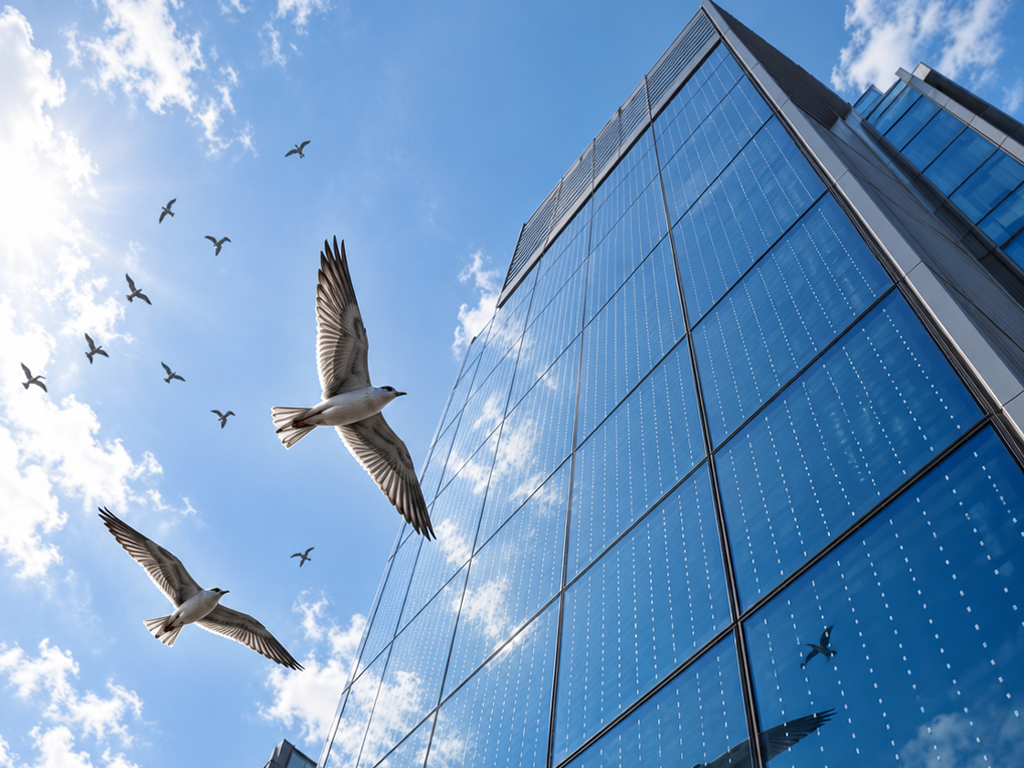
Helps reduce the risk of collisions by making the glass surface easier for birds to notice.
Visual Detectability
Patterns and markings reduce the misleading perception of open passage created by the transparency of glass and surrounding reflections.
Architectural Harmony
Combines the architectural use of glass with an approach that contributes to the protection of wildlife.
Related Production Processes
In bird-friendly glass, the size, spacing and contrast of the patterns, as well as the surface they are applied to, affect how visible the glass is to birds. The application method and glass build-up are evaluated together with the design and performance requirements of the project.
Applications
Glass Facades and Large Window Surfaces
Glass Balustrades and Balconies
Transparent Walkways and Connecting Corridors
Glass Wind and Noise Barriers
Frequently Asked Questions
How does bird-friendly glass work?
Patterns and markings on the glass make it easier for birds to perceive the surface as an obstacle. This reduces the misleading impression of open passage created by transparency and reflections, lowering the risk of collisions.
What determines how effective the pattern is?
The size, spacing and contrast of the patterns, and the surface they are applied to, affect how visible the glass is to birds. The application method and glass build-up are assessed together with the project’s design and performance requirements.
Where is bird-friendly glass used?
Main applications include glass facades and large window surfaces, glass balustrades and balconies, transparent walkways and connecting corridors, and glass wind and noise barriers.